

How to distinguish clean rice and poor quality rice
Rice is an essential food in every Vietnamese meal. However, on the market today there are many types of low-quality rice, mixed rice or rice treated with chemicals that affect health. Therefore, knowing how to distinguish clean rice from poor quality rice will help you choose a safe source of rice for your family.
How to distinguish clean rice and poor quality rice
Rice is an essential food in every Vietnamese meal. However, on the market today there are many types of low-quality rice, mixed rice or rice treated with chemicals that affect health. Therefore, knowing how to distinguish clean rice from poor quality rice will help you choose a safe source of rice for your family.
Menu
What is clean rice? What is poor quality rice?
Clean rice
- Produced from clear rice sources, no harmful preservatives used.
- Natural rice grains, unbleached, odorless.
- Safe for long-term use.
Poor quality rice
- Rice is moldy, infested with weevils or has lost its natural scent.
- It may be mixed with old and new rice, or treated with chemicals to create a white color.
- Unclear origin.
How to distinguish clean rice and poor quality rice
Observe the color of the rice grains
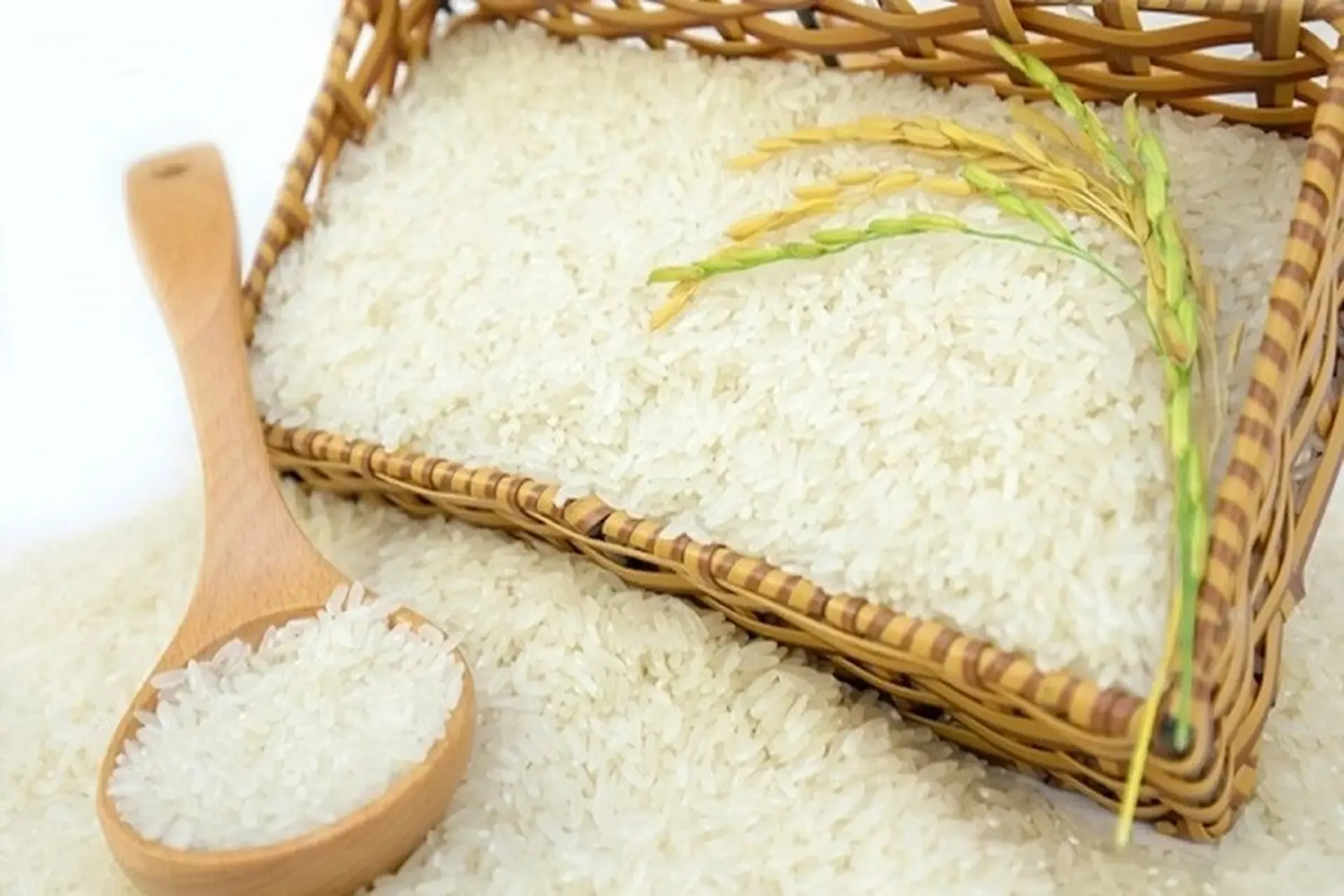
- Clean rice: rice grains have a natural color (ivory or milky white depending on the type), not too shiny.
- Poor quality rice: often abnormally white, shiny, sometimes with a blue tint - a sign of bleaching or chemical polishing.
Check the scent of the rice
- Clean rice: natural light fragrance, not strong.
- Poor quality rice: has strange smell like medicine, chemical smell, musty smell.
Note: Some naturally fragrant rices will have a stronger scent, but not an unpleasant one.
Check the looseness and shape of the rice grains
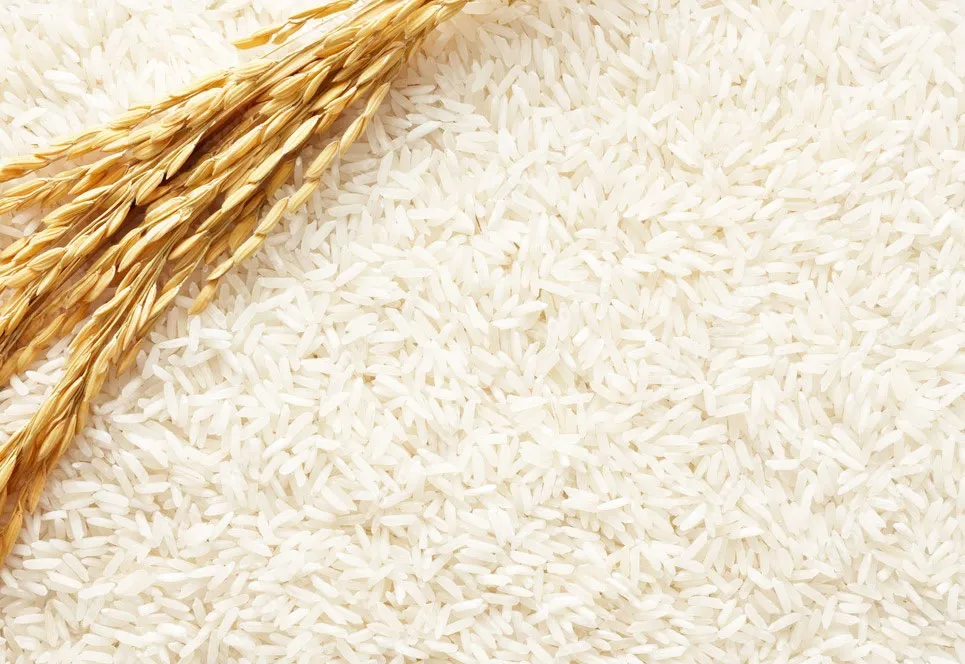
- Clean rice: even grains, few broken grains, no yellow grains or impurities.
- Poor quality rice: many broken grains, mixed with dust, broken grains, impurities, or many black grains/silky grains.
Test by washing rice
- Clean rice: when washed, the water is a bit cloudy because of the thin bran layer, but quickly becomes clear again.
- Poor quality rice: the water is unusually cloudy or has strange residue → may have been bleached.
Observe while cooking rice
- Clean rice: rice is evenly cooked, naturally fragrant, sticky or soft depending on the type.
- Poor quality rice: rice is dry and hard, easily broken, loses its fragrance or has a strange smell when cooked.
Soak rice in water
Put a handful of rice in a cup of clean water:
- Clean rice: rice grains sink to the bottom.
- Poor quality rice: grains float or float due to being soaked in chemicals or mixed with impurities.
Signs of adulterated rice
|
|
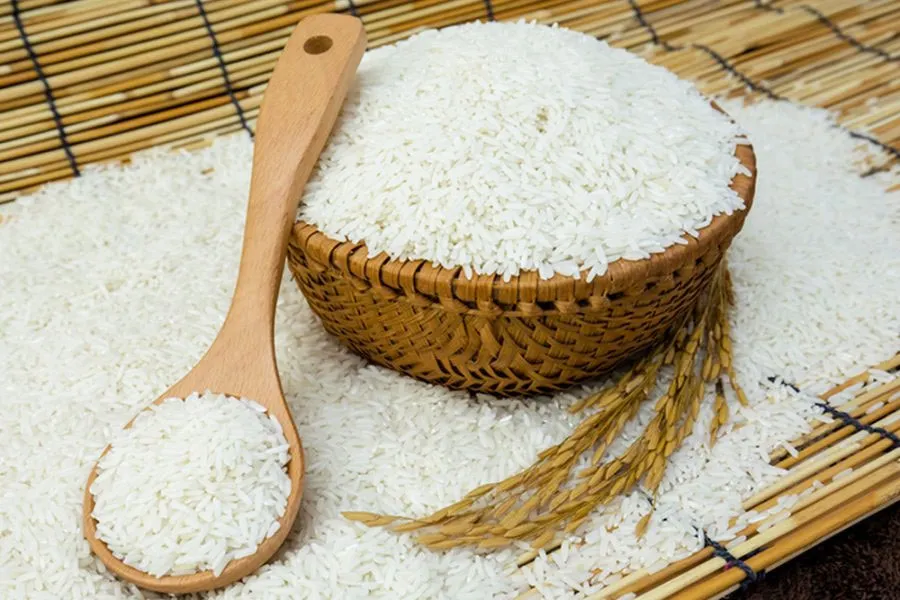
How to choose clean and safe rice
|
|
Why should you choose clean rice for your family?
- Safe for health, no need to worry about toxic chemicals.
- Keeps all the natural nutrients of rice grains.
- Delicious flavor, soft and sticky rice, suitable for all meals.
Conclude
Understanding how to distinguish clean rice from poor quality rice will help you avoid unsafe rice floating on the market. Just by observing the color, scent, trying to wash and cook, you can easily identify good rice for your family.
Other news
How to choose delicious, healthy rice
08-12-2025
Blog
With the increasing trend of fake rice and rice treated with chemicals, choosing delicious and safe rice for health is the most concerned issue for many people. Let's choose quality rice for your family with VHQ!
Health benefits of ST25 rice
09-12-2025
Blog
ST25 rice is recognized as the best rice in the world because of its delicious taste and rich nutrients. Join VHQ to learn about the health benefits of ST25 rice, especially for people with diabetes, through this article!
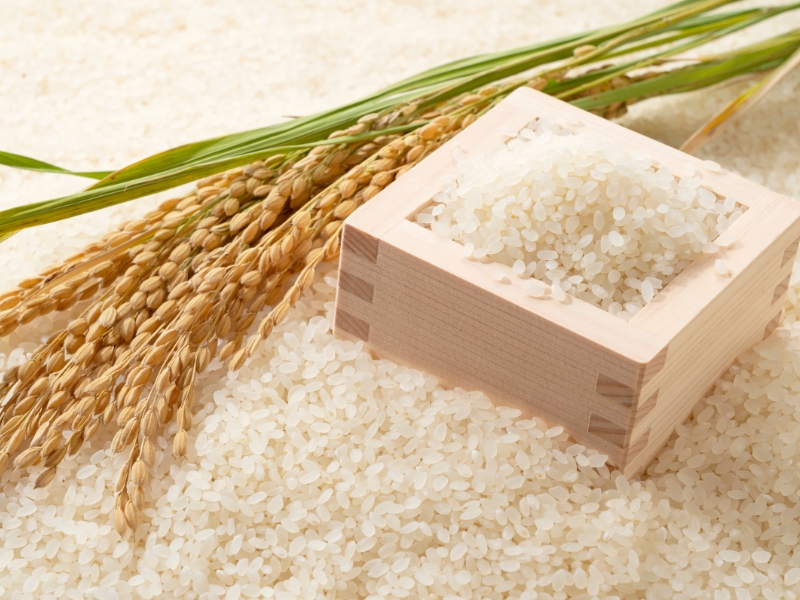
How to properly preserve rice for a long time without spoiling
09-12-2025
Blog
Rice is a familiar food in every Vietnamese family. However, if not stored properly, rice can easily become moldy, wormy or lose its natural aroma. The following article will guide you on how to properly store rice for a long time without spoiling, helping the rice grains stay clean, dry, and retain their nutrients and flavor.
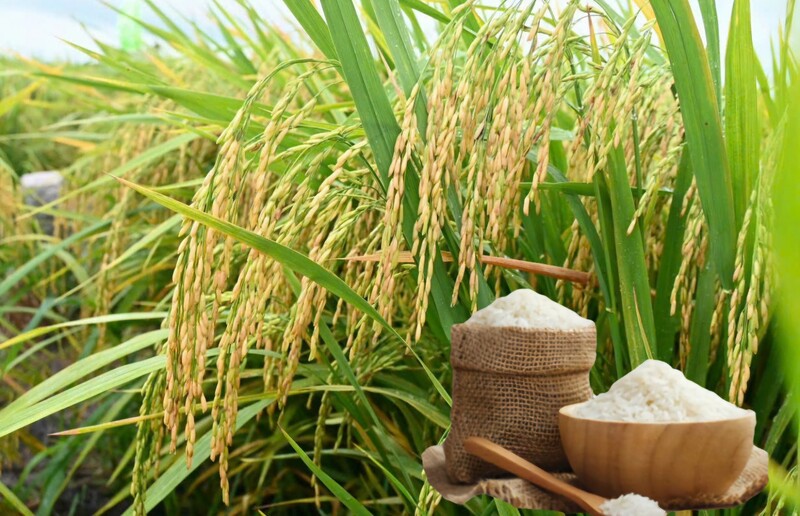
Trend of clean rice consumption in Vietnam
09-12-2025
Blog
In recent years, the demand for clean rice in Vietnam has increased sharply. Consumers are increasingly concerned about the quality of meals, product origin and health safety. Therefore, clean rice is gradually becoming the priority choice of many Vietnamese families. The following article will clearly analyze the trend of clean rice consumption in Vietnam, the reasons why clean rice is on the rise and the changes in current consumer behavior.
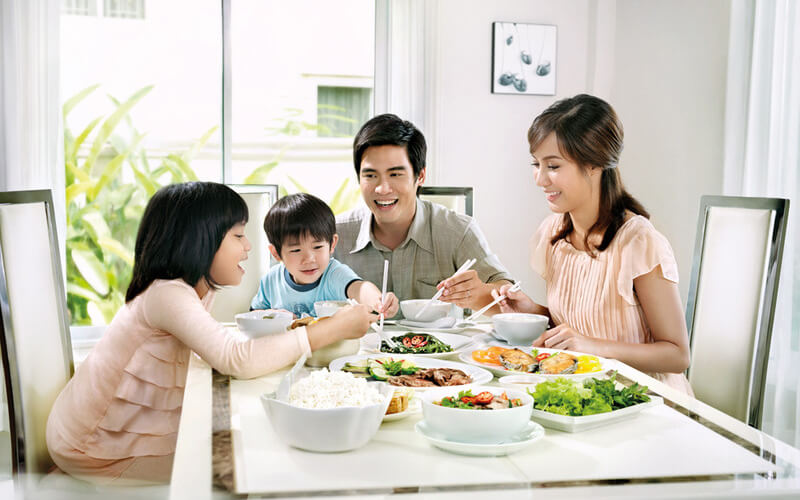
Family meals - value from clean rice
09-12-2025
Blog
In Vietnamese culinary culture, family meals are always a sacred, close-knit and warm image. Amidst the worries of modern life, a bowl of fragrant white rice from clean rice grains not only nourishes the body but also preserves long-standing traditional values. The following article will help you better understand the value of family meals and why clean rice is increasingly becoming the top choice of Vietnamese people.